How Dolby Made India Stop, Listen, and Finally Buy

The Sound of Missing Out

Dolby had been part of India’s entertainment life for decades. Its logo flashed before movies, its sound signature played before shows, and its name lived on every premium device. What it hadn’t yet won was the moment of active choice. Consumers weren’t walking into stores and asking for Dolby by name. Dolby desired to to close that gap between omnipresence and active desire. The brand needed a way to make people feel the distance between what they were experiencing and what they could be. That feeling had a name: FOMO.
FOMO Had Always Been There. Dolby Just Gave It a Name.

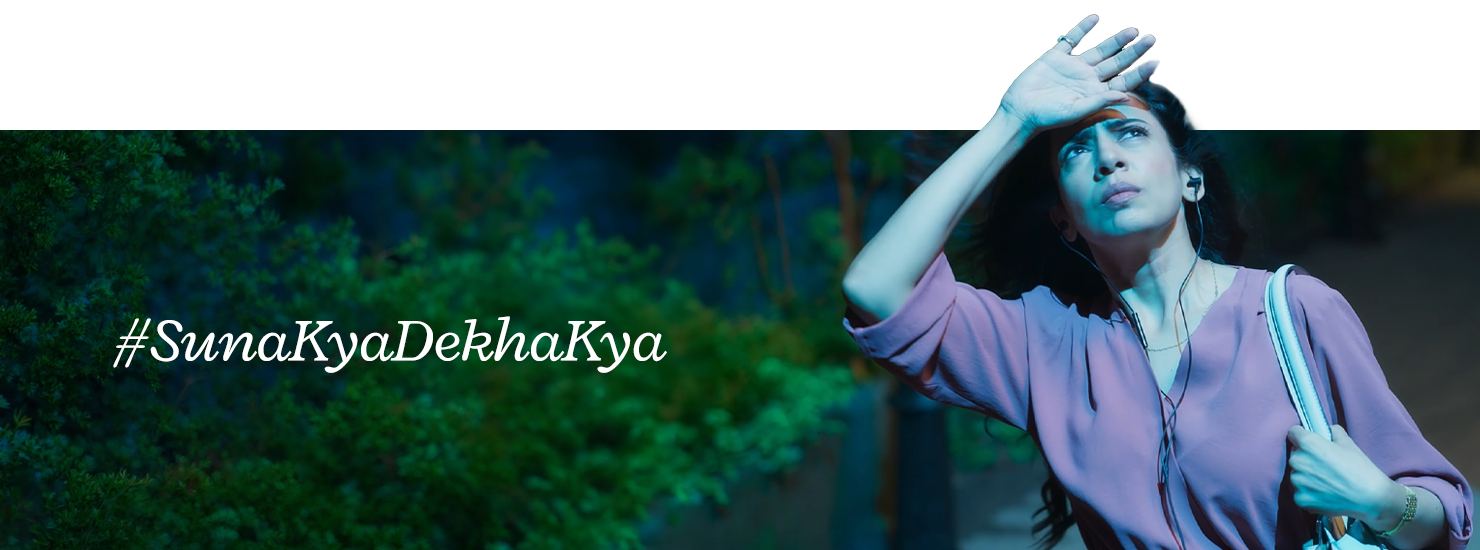
The creative leap, for Tonic Worldwide, came from a simple but powerful truth. If you haven’t seen or heard your content in Dolby, you are genuinely missing out on the full experience. We leaned into a deeply familiar Indian cultural moment: that instinct to grab a friend and say “You have to hear this, you have to see this.” The campaign phrase “Suna kya, Dekha Kya?” was born from that exact impulse. It turned passive brand familiarity into an urgent, personal question that made audiences stop and reconsider every screen they owned. The FOMO marketing strategy wasn’t manufactured. It was already living inside every consumer who had never watched a film or heard a song the way it was meant to be experienced.

Built for Every Screen, Every Scroll, Every Store

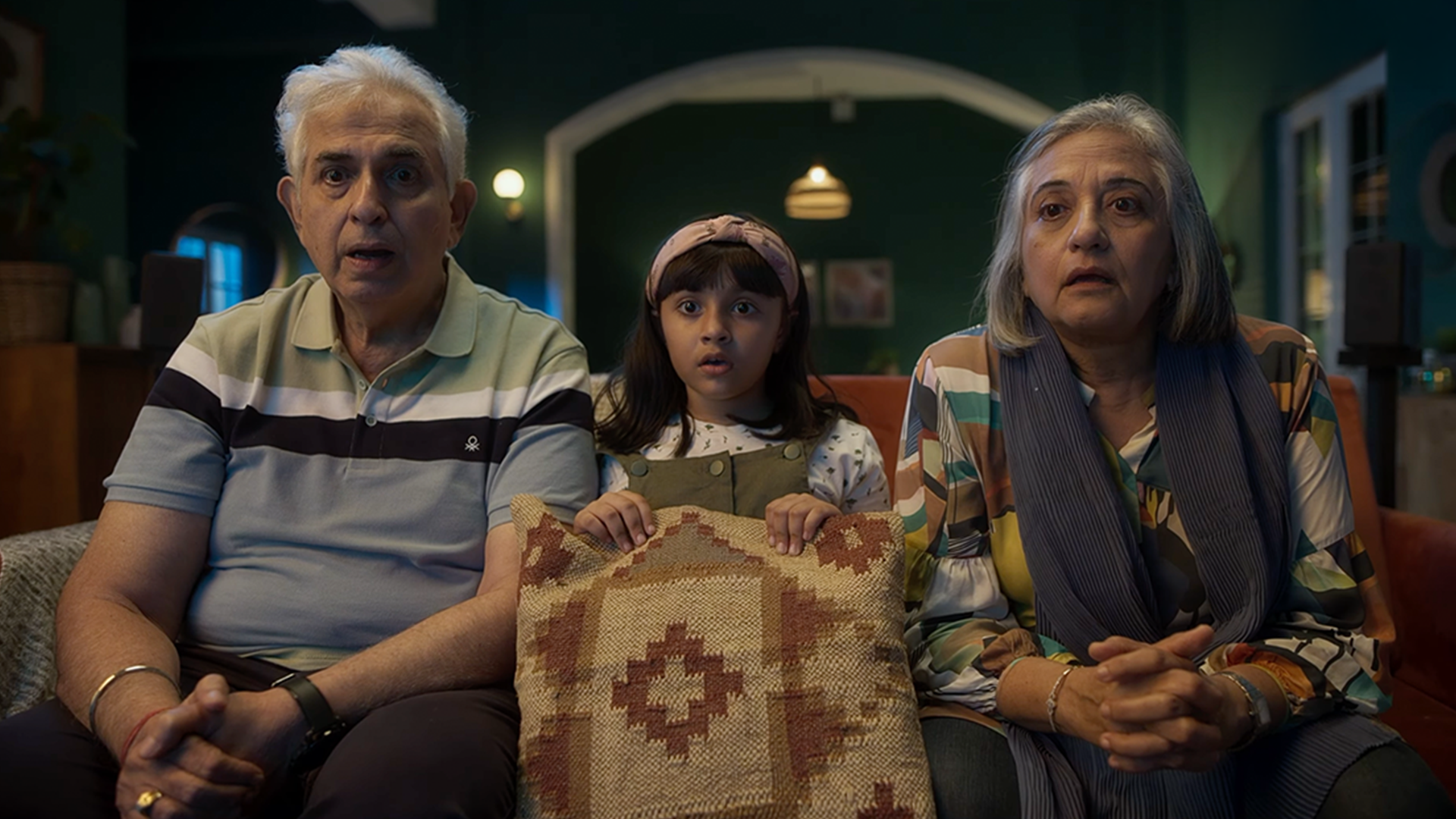
The consumer electronics marketing campaign ran across eight weeks and covered every surface where Indian consumers live. A master hero film followed a family through a full day of Dolby-powered moments, anchoring the campaign emotionally while partner cut-downs drove category-specific relevance. On social, brands engaged in playful Twitter banter and used Instagram’s Collab feature to blur brand lines and expand reach organically. Influencers directed followers to a dedicated Amazon e-store stocked with Dolby-enabled devices. In the physical world, co-branded films played in Dolby Vision and Atmos across more than 5,000 retail touchpoints nationwide. Every element connected brand awareness to purchase action in one seamless loop.

Five Brands, One Unified Experience

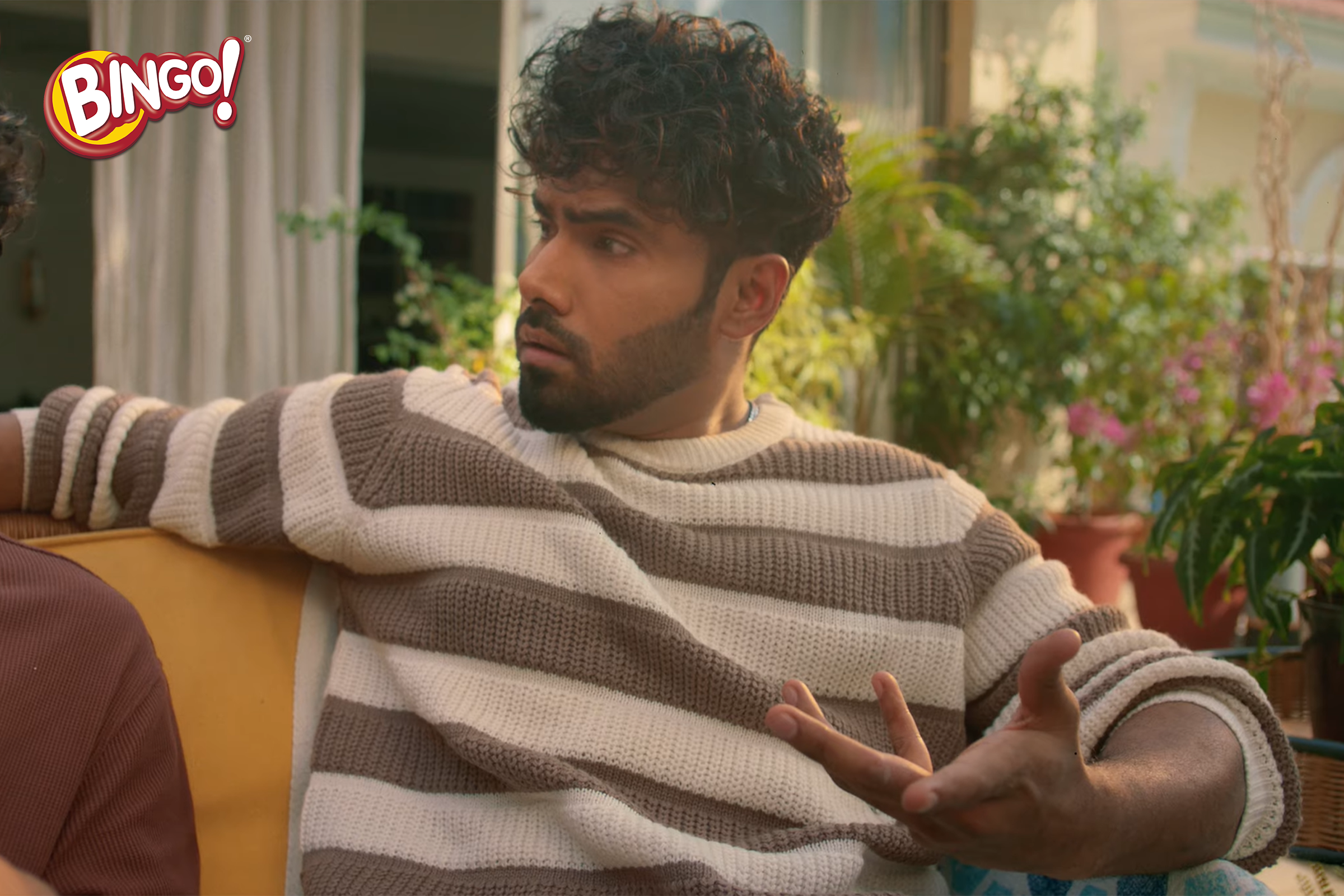
Rather than going it alone, Dolby built a D2C co-marketing engine with five major device partners: LG, Samsung, Sony, Xiaomi, and realme. Each partner brought their own audience, their own passion points, and their own cut-down film showing Dolby technology doing what it does best. Sony brought cinematic depth to living room movie nights. LG delivered a stadium roar for sports fans. Samsung wrapped music lovers in spatial sound. Xiaomi and realme put the experience in the pocket of every mobile-first Indian. Together, they didn’t just share a multi-brand digital campaign. They shared a proof of concept.

Numbers That Proved the Feeling Was Real

The campaign hashtag #BuyInDolby trended at number one across India on Twitter for over five hours on launch day. Total thru-plays crossed 15 million with a video completion rate that outperformed category benchmarks. Brand lift study results on both Meta and YouTube recorded recall and awareness lifts that beat tech vertical norms by meaningful margins, with cost per lifted user on YouTube coming in at a fraction of the industry benchmark. On Amazon, the campaign drove over 425,000 visits to the Dolby brand store and generated close to a million dollars in total sales. Nearly 60 percent of units sold went to consumers who were entirely new to the brand. Dolby didn’t just remind people it existed. It gave them a reason to finally buy in Dolby.

$100K+

In Total sales

500000+

Visitors to Amazon brand store

59%

Units sold to new-to-brand consumers

15 M+

Thru-plays achieved

19.38%

View-through rate (VTR) for 100% video completion

12%

Absolute brand lift on YT

38%

Relative lift on YT

3X

Higher Abst & Relative lifts than tech industry std.

90%

Lesser cost per lifted user Vs industry benchmark

86.2%

Reduction in Cost per brand lift for recall vs industry benchmark

backtotop